Plum – the “Forgotten” Potential of Bosnia and Herzegovina
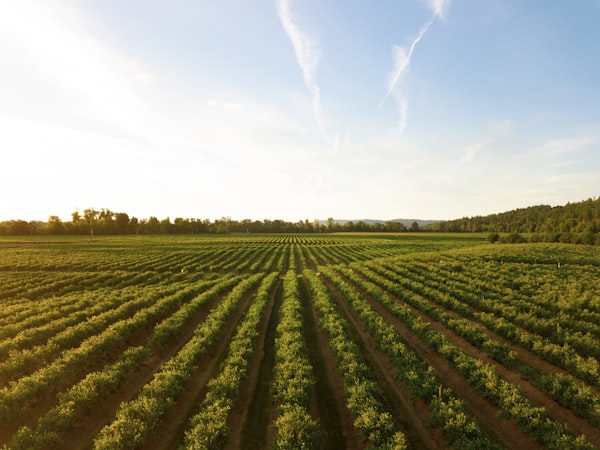
What new can be written about a fruit tree that almost all of us have in our backyard and think we know everything about growing plums, and even more about "baking" brandy? But is it really so! Our well-known plum variety, the Požegača (also known as Savka or Mađarica), is almost on the verge of disappearing due to the Plum pox virus, which causes the Sharka disease.
Furthermore, years of neglect regarding the introduction of new technologies and plum varieties into production have led to the fact that, quite unfairly, plum cultivation in RS and BiH is recovering slowly. Despite excellent agro-ecological conditions, tradition, and high-quality domestic varieties, many farmers, encouraged by promises of quick earnings, decide to grow snails, chinchillas, ostriches, or the latest "hit," Paulownia, rather than growing plums.
Market Performance and Exports
Judging by export data, plums grown in RS and BiH have found their place on supermarket shelves in the EU and Russia. The largest market for our plums is the EU, where Germany dominates. In 2015, German supermarkets purchased 2,500 tons, compared to 1,300 tons in 2014. The record production of 2013 was also the cause of record plum exports, exceeding 11,000,000 KM.
Most exporters confirm the fact that our plum is competitive on the EU and Russian markets and that there is room for further export growth. Consumers have recognized the high organoleptic quality of plums grown in our region; earlier ripening times work in our favor, packaging is done according to the customer's wishes, and we are generally price-competitive.
Trade Barriers and Protective Pricing
What limits our exporters' access to the EU market is the protective price of 0.69 Euro cents per 100 kg that the EU applies to plum imports from BiH. It is almost unbelievable that despite the Free Trade Agreement through the Stabilization and Association Agreement (SAA), Brussels is still allowed to introduce such measures against BiH. It is essential to urgently request the removal of these measures from the EU.
Statistics show that plum production in RS and BiH is prone to high variations. From a record production of 133,581 tons in 2013 to nearly three times less in 2014. Such fluctuations are not surprising given that most plum orchards are not irrigated and even fewer are covered with anti-hail nets. Thus, hail, late spring frosts, and drought lead to significant oscillations in production.
Modern Technology and The Way Forward
Modern technologies in plum cultivation involve dense planting with spacing between rows of 4–4.5 m and spacing within rows of 2–2.5 meters, depending on the variety, training system, and soil type. Regular protection usually involves 5 to 7 sprayings during the season to ensure appropriate fruit quality.
To ensure sustainable growth, the following steps are necessary:
- Improve production technology and modernize infrastructure.
- Provide continuous education for producers.
- Encourage the construction of cold storage facilities and the establishment of cooperatives.
- Introduce GLOBAL G.A.P. standards on all export-oriented farms.
- Enhance marketing efforts through participation in international fairs.
The plum definitely represents one of the agricultural products where our producers and exporters are competitive on the EU market. While relevant ministries must support producers through incentives, producers and exporters must also organize themselves much better. Breeders and exporters must maintain constant pressure on the public sector to provide the best possible business conditions for this branch of agriculture to flourish.